


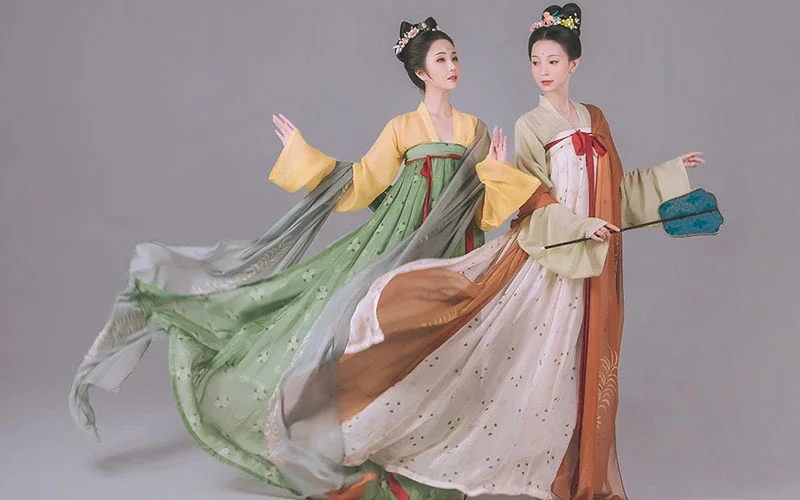
So I keep seeing the same take online. China’s fashion scene is just a knockoff of whatever’s trending in the West. Honestly? Not anymore. Not even close, and I don’t think it’s been true for a while, if I’m being real.
There’s a name for this shift — Guochao, “national trend.” Not some ad agency’s slogan, an actual behavior change. Younger shoppers picking local over imported fast fashion, on purpose, with something close to pride behind it. Shows up in sneakers. Shows up in gold jewellery too, weirdly enough, which I’ll get to.
Here’s who’s actually winning closet space these days. In no particular order, mostly.
Li-Ning
Remember when this was just the brand your gym teacher wore? That’s over. The turning point, according to basically everyone who covers this, was the 2018 New York Fashion Week show — loud, unapologetically Chinese streetwear instead of playing it safe. One show. Changed how people saw the whole brand almost overnight.
Now they’re pricing against Nike’s premium lines. North of 25 billion yuan a year in revenue. Some limited drops resell for three to five times retail, which tells you everything about where this brand sits now. Not a budget label anymore.
Anta
Doesn’t get the same hype as Li-Ning but might honestly be the bigger business story of the two. A string of smart acquisitions — owns FILA in China, plus a few others — and now it’s one of the largest sportswear companies in the world by revenue, going head to head with Nike and Adidas on their own turf. People probably own Anta stuff without knowing it. That’s kind of the point.
Urban Revivo
Set out to do the thing everyone said was impossible — a Chinese fast-fashion brand that could actually match Zara and H&M on quality, not just price. Worked, apparently. Hundreds of stores now, flagships in London and New York, usually a decent chunk cheaper than Zara. For a lot of young professionals I’ve read about, UR is just where you go. No drama, no big decision, just the default.
Semir’s been grinding since ’96, and built the whole thing the boring way. Just being everywhere. Every mall, every strip mall. Affordable stuff for teens and young adults chasing whatever’s trending that month. Its kids’ line, Balabala, is one of the biggest children’s clothing brands in the country on its own — so a lot of families are buying from the same parent company twice over without realizing it.
Laopu Gold
Not clothing, technically. Gold jewelry. But it’s worth mentioning because it might be the clearest example of where this whole shift is heading — a domestic brand outselling legacy international luxury names, on its own terms, leaning on Chinese heritage craftsmanship instead of a European logo. Every fashion brand paying attention is studying this one.
Bosideng and Erdos
For actual winter gear — and I mean actual, not just “looks warm” — Bosideng has spent years earning a reputation for real technical outerwear. They’ve shown at international fashion weeks specifically to prove it’s not just marketing fluff. Erdos does something similar with cashmere and wool, and they’ve got a built-in advantage there: Inner Mongolia’s raw materials. Hard to fake that kind of credibility.
Clot
Founded by Edison Chen. Probably the most globally recognized Chinese streetwear name out there right now. The Nike and Air Jordan collabs sell out in minutes, and it’s earned real respect in sneaker culture well outside China — the kind of name people put in the same sentence as Supreme without blinking.
What happened to Nike, Adidas, and Uniqlo?
Still around, obviously. Just without the automatic home-field advantage they used to coast on. Uniqlo’s still a go-to for basics — the price-to-quality thing still checks out for most people. Nike and Adidas still move plenty, especially performance gear. But in outdoor and athletic apparel specifically? Domestic labels like CAMEL and FILA are outselling Nike in some categories on platforms like Tmall. Being foreign used to be a shortcut. It just isn’t one anymore.
The real engine:
Xiaohongshu and Douyin
None of this happens without social media and I mean that pretty literally. Most people research a purchase on Xiaohongshu before buying, and Douyin is where that research turns into an actual sale, often live, often on the spot. Livestream shopping conversion rates in China blow regular e-commerce out of the water, it’s not even close. A brand that isn’t showing up there basically doesn’t exist to a huge chunk of shoppers. Doesn’t matter how good the product is.
Peacebird (太平鸟)
I almost put this in part one and then cut it for space, which in hindsight was a mistake. Peacebird’s been doing the mid-range, trend-forward thing for a long time now — think somewhere between Urban Revivo and Zara, price-wise — and it’s one of those brands that doesn’t get talked about much outside China but is genuinely everywhere once you start looking. It’s leaned into collabs a lot too, partnering with everyone from Peanuts to various artists, which is a pretty smart way to keep a mid-tier brand feeling current without reinventing itself every season.
Metersbonwe
This one’s interesting because it’s kind of a cautionary tale mixed with a comeback story. Huge in the 2000s and early 2010s, then it stumbled hard when it didn’t adapt fast enough to e-commerce and fast fashion competition. It’s been clawing its way back since, and honestly its resilience says something about how brutal the domestic market has gotten — you can’t coast on nostalgia in China’s clothing space, not anymore. There’s always three brands ready to eat your lunch if you slow down for even a season.
HLA (Heilan Home)
Not glamorous. Not trying to be. HLA built an empire on menswear basics — shirts, trousers, the stuff a guy needs for work that doesn’t require thinking too hard about. “One year, buy eight sets of clothes” was their old slogan, if I remember right, and it tells you everything about the brand’s whole philosophy. Practical over trendy. It’s not the brand anyone’s writing thinkpieces about, but it’s probably in more closets than half the names that do get written about.
Toread
Outdoor and hiking gear, and this category’s actually blown up in China over the last few years in a way I don’t think gets enough coverage outside the country. Camping culture, hiking culture — it all exploded post-pandemic when people were desperate to get outside but travel was still restricted. Toread rode that wave hard, and honestly so did a handful of smaller outdoor brands that are still climbing.
The stuff nobody expects: secondhand and rental
This is the part that surprised me most doing the research. There’s a growing secondhand and clothing rental market in China now, especially among younger, more budget- or sustainability-conscious shoppers in bigger cities. It’s still small compared to the primary retail market, sure, but it didn’t really exist in any meaningful way a few years back. Worth watching, honestly, because if it keeps growing the way it has been, it’ll start pulling real spending away from some of the fast-fashion names.