


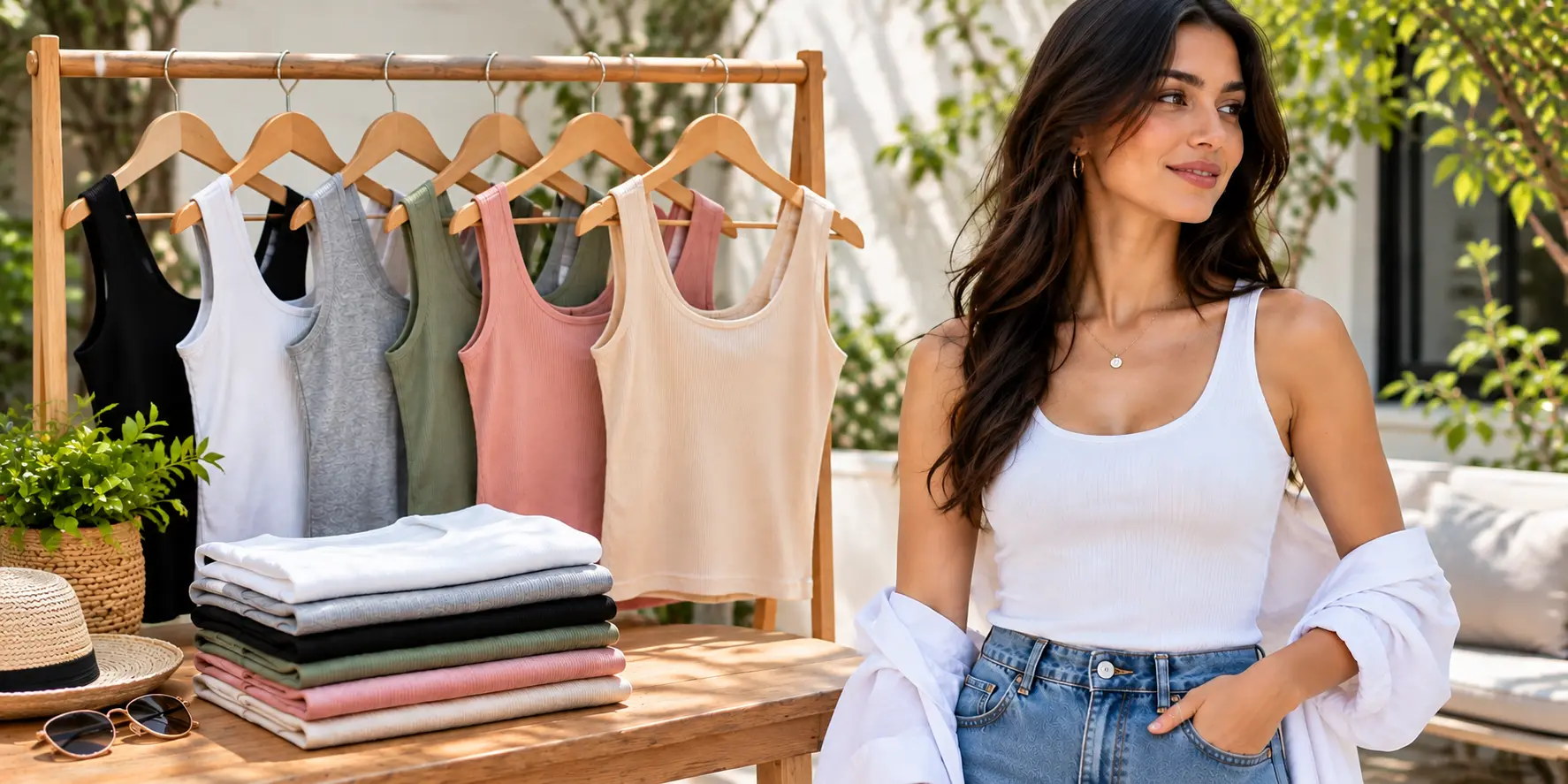
I didn’t own a real singlet until my twenties. Late, honestly, looking back on it now. Growing up I’d filed them away as a gym-class thing, or something dads wore under a shirt in July and nobody talked about. Turns out that’s a pretty narrow view of what might be one of the most quietly useful things you can own — for the gym, for layering, for just getting through a brutal hot day without melting into the sidewalk.
Maybe you’re not sure if a singlet and a tank top are even different things. Or maybe the runner question is what got you here — why bother with one instead of just a plain shirt. Either reason works. Stick around.
So What Actually Is a Singlet?
Strip it down and a singlet’s just a sleeveless top, thin straps, cut close to the body. Sits somewhere between a tank top and an undershirt — and exactly where it lands depends a lot on who you ask, and honestly, what country they grew up in.
In the US the word splits two ways, more or less. Either it’s the tight racing top wrestlers and track athletes wear — basically a one-piece bodysuit, not casual at all — or it’s a plain sleeveless undershirt, the kind meant to stop sweat marks from showing under a dress shirt. Cross into Australia or the UK, though, and singlet just means tank top. That’s it. No sport attached to the word whatsoever.
This guide covers all three — athletic, casual, layering — because most people typing “singlet” into a search bar are really just trying to figure out which one they actually need.
Where the Word Even Came From
Go back far enough and it’s really just underwear. A couple centuries old, plain, unlined, worn under everything else. Not glamorous. Purely functional, the way most useful things start out before anyone dresses them up.
The 20th century gave it a second life in sports. Wrestling singlets became the standard because a snug one-piece leaves nothing loose for an opponent to grab — a detail that matters way more than it sounds like until you’ve watched a match get weird over a grabbed collar. Track athletes picked up a looser racing version for similar reasons. Less weight. Less drag. Less heat trapped against the skin mid-sprint.
Meanwhile the casual version just kept doing what it always did. Worn under other clothes, or standing alone as a summer top whenever the weather earned it. Australia ran with this harder than almost anywhere else — casual singlets basically became shorthand for beach days and backyard barbecues there, which is a big chunk of why the word carries such a different weight down under than it does across North America.
Why People Actually Bother With One
Ask someone why their drawer’s got four or five of these and the answer usually lands in one of a few places.
Airflow, mostly. No sleeves, barely any fabric, nowhere for heat to get trapped. Anyone who lives somewhere hot — or just runs warm naturally, some people do — knows a regular t-shirt can’t quite pull that off.
Layering’s a big reason too. Slide one under a button-down or a light sweater and suddenly there’s a barrier against sweat without any extra bulk piling on. Comfortable, and nobody clocks that you’re technically wearing two shirts at once.
Then there’s the athletic crowd. Runners, lifters, wrestlers. Narrower group, sure, but it matters a lot to them specifically. Strip away the sleeves and you strip away anything that could trap heat or slow you down mid-effort. Pretty much why competitive athletes never bothered switching to t-shirts.
And simplicity. Underrated, if you ask me. A plain singlet works with almost anything already hanging in the closet — jeans, shorts, a skirt, gym leggings. Quiet. Does its job. Never asks for credit.
What You’ll Actually Find While Shopping
Athletic racing singlet
Light, tight to the body, built for runners and track specifically. Technical fabric, wicks sweat, dries fast. Go to any 5K and you’ll count a dozen before the starting gun even goes off.
Wrestling singlet
One piece, snug, running from the torso down through the upper thigh. Nothing casual about it, but it explains a lot of why “singlet” carries that athletic weight in the first place.
Casual cotton singlet
The one most people actually picture. Soft cotton or a cotton blend, cut relaxed, worn solo on hot days or stuffed under something else for the rest of the year.
Ribbed singlet
A bit more fitted, some texture from the ribbing itself. Holds up fine standalone or as a layering piece once the weather cools a notch and a heavier fabric starts making more sense.
Muscle-fit or gym singlet
Closer to the body, wider armholes, built for lifting or general gym wear. Shows more shoulder than a looser style — which, for most people buying it, is exactly the point of the purchase.
Compression singlet
Tight, stretchy, built from technical fabric. Shows up most in high-intensity training, or as a base layered under other athletic gear.
Fabric Genuinely Changes Everything Here
Cotton’s soft, breathes decently, and for everyday wear it’s more or less the default. Where it falls apart is intense exercise — it soaks up sweat instead of moving it along, and turns heavy and clingy the second you actually push yourself.
Polyester and other synthetics wick moisture and dry fast, which is exactly why athletic singlets skew synthetic almost across the board. Less pleasant against bare skin for some people, fair enough, but far better suited to actual effort.
Cotton-poly blends land somewhere in the middle. A bit of cotton’s softness, a bit of synthetic’s moisture handling. Decent if you want one singlet doing double duty for both casual wear and light activity.
Merino wool shows up too, mostly as a cold-weather base layer. Regulates temperature better than most fabrics and stays fresher for longer than cotton does — genuinely useful if you’re wearing the same layer for several days straight on a hiking trip and there’s no laundry in sight.
Ribbed knit, cotton or cotton-spandex usually, adds stretch and a more fitted shape. Explains why it’s everywhere in the casual singlet world.
Buying for a workout? Synthetic or a performance blend, no debate needed. Buying for comfort? Cotton, almost every time.
Getting the Fit Right
Fit matters more here than with most tops. No sleeve to hide behind if something’s slightly off, that’s really the whole reason.
Athletic singlets want a closer fit. Less flapping fabric while moving, less drag overall. Wrestling and racing styles especially are meant to sit snug, almost like a second skin at that point.
Casual singlets come down to taste more than rules. Relaxed fits layer easily under other clothes. Fitted ones show more shape and work better worn solo.
Armholes deserve real attention no matter the category. Too tight, they dig in. Too loose, you risk showing more than planned the moment you reach for something or bend down — worth a glance in the mirror before you walk out the door.
Layering under something else? Size down slightly, or grab a slim cut so it doesn’t add bulk under whatever’s going on top of it.
Buying Online Versus Trying One On
Singlets seem simple enough to buy sight unseen, and mostly they are, except for this one detail that trips people up constantly: armhole depth. Two singlets, same labeled size, two different brands — one modest, one basically cut down to the ribs. Product photos rarely make this obvious, since the model’s proportions were never going to match yours anyway.
Shopping online, check the brand’s actual measurements instead of trusting the size label blindly, and skim a couple of reviews if there are any. People almost always mention it when armholes run unusually large or small. In a store, the fastest test is simple enough — raise both arms overhead the way you’d reach for something on a shelf, or mimic whatever movement the singlet’s actually built for. Something that looks perfect standing still can show a lot more than intended the second you actually move.
Styling One Depending on Where You’re Headed
Working out. Performance-fabric singlet, athletic shorts or leggings underneath. Nothing complicated — function’s the whole point.
Casual summer day
A cotton singlet, denim shorts or a light skirt, sandals, maybe a hat if you’ll be out a while. Breathable. No thought needed. Out the door in under a minute.
Layering under a shirt
A slim-fit singlet under a button-down or light sweater, mostly there for sweat protection and a touch of warmth without adding bulk. Nobody even clocks that it’s underneath.
Going out somewhere warm
A fitted or ribbed singlet, jeans, a jacket kept nearby in case it cools off later. Add a little jewelry and suddenly it’s not an undershirt anymore, it’s an outfit.
Running or racing
Athletic singlet, lightweight wicking fabric, shorts, and whatever shoes you already trust. Fit should sit close enough that nothing shifts around mid-stride.
Fit for Different Body Types
A singlet, like most fitted or semi-fitted tops, sits differently depending on your build. A few small tweaks help it land right regardless of shape.
Broader shoulders generally do better with a wider strap and a fuller armhole — a narrow strap on a broader frame can end up looking pulled tight rather than relaxed. Narrower shoulders have more room to play and can handle thin straps just fine.
Longer torsos benefit from a bit of extra length so it doesn’t ride up while sitting or reaching. Shorter torsos have more freedom to go cropped without it looking accidental.
For a fuller bust, some built-in structure helps — a slightly thicker under-bust band, or ribbed fabric with more hold — tends to feel more secure than thin, unstructured cotton. Smaller busts have more flexibility either way, thin soft fabric usually works fine.
None of this is a strict rulebook. Just useful to know before buying a multi-pack of the same style and finding out only half actually work the way you hoped they would.
By Season
Summer’s the obvious home turf. Breathable cotton or linen-blend, worn alone, no layering most days.
Spring and fall lean more toward the layering role — a singlet under a light jacket or cardigan adds warmth without the bulk a full undershirt would bring.
Winter isn’t really singlet territory for most people, though merino can pull double duty as a base layer under heavier clothing, especially for anyone doing something outdoors in real cold.
Taking Care of the Thing
Cold water where possible, especially for synthetic athletic fabrics. Heat breaks down the elastic fibers responsible for stretch and shape, over time.
Skip fabric softener on performance fabric specifically. It clogs the fibers meant to wick moisture, which kind of defeats the whole point of buying an athletic singlet to begin with.
Air dry when you can, cotton especially — high dryer heat shrinks cotton faster than people expect, sometimes after just a wash or two.
For wrestling and racing singlets, check the specific care label every time. These lean toward more technical, specialized blends that don’t always survive a standard wash cycle intact.
Mistakes Worth Avoiding
Wrong fit for the wrong purpose, that’s the big one. A loose, relaxed cotton singlet struggles through intense exercise. A snug athletic one isn’t always comfortable worn casually all day.
Fabric that doesn’t match the season causes its own problems. Heavy cotton in peak summer, thin synthetic as your only winter warmth — neither does what it was built for.
The armhole check gets skipped constantly, and it sounds minor, but a bad cut there can make an otherwise solid singlet genuinely uncomfortable, or unflattering in a way that’s hard to undo after the fact.
Then there’s whatever sits underneath or gets layered over top. No sleeve means more of your bra straps, your layering choices, your general shape shows through than most tops would ever reveal. A quick mirror check beats finding out the hard way later.
Sizing Across Brands, Briefly
Because “singlet” spans such a wide range of garments — athletic, casual, technical, layering — sizing consistency between brands is genuinely all over the place. A medium in one brand’s racing singlet might fit like a small somewhere else entirely. Not really anyone’s fault. These garments serve totally different purposes, so the sizing logic behind each one ends up different too.
Keeping a rough note of your own chest and torso measurements, instead of leaning on size labels alone, tends to be the most reliable approach if you’re buying across a few brands. Sounds like overkill for something this basic. Saves a surprising number of returns anyway.
Building a Small Collection
Starting from zero, a handful of these covers most of what you’ll need without overcomplicating anything. A couple of cotton basics in neutral colors for everyday wear and layering. One performance singlet in synthetic or blended fabric for actual exercise. And if a specific sport calls for one — wrestling, track — that’s its own purchase entirely, usually fitted to competition specs rather than general wear.
Build outward from there. A denim jacket, a couple of cardigans, a few basic bottoms, and the same handful of singlets cover more ground across a year than you’d expect going in.
A Few Words on Color and Print
Solid neutrals — white, black, grey, navy — carry the most weight in a small collection, since they layer under nearly anything without a fight. Get a couple of these first if starting from scratch.
Beyond that, it’s mostly taste. Stripes and small prints work well solo but can look busy stacked under a patterned shirt, so save those for wearing alone. Bright colors are fun for casual singlets in warm weather, though athletic ones lean darker or neutral, mostly because it hides sweat better over a long session.
Layering Combinations Worth Trying
A singlet under a flannel, left unbuttoned, works for that in-between weather where a t-shirt feels too warm and nothing at all feels too cold.
A ribbed singlet under a denim jacket, left open, gives more shape than plain cotton would — useful if you want the whole look to feel intentional rather than purely practical.
For a workout, a compression singlet under a looser tank or mesh top adds support and moisture control without going fully tight for the whole session.
In cold weather, a merino singlet under a sweater quietly earns its keep — handling temperature, managing sweat, adding warmth, all without the bulk a full thermal layer brings.
When a Singlet Isn’t the Right Call
Worth saying plainly: it’s not always the answer, even in hot weather. Sun exposure’s the obvious one — bare shoulders and arms mean more skin out, so sunscreen or an extra layer becomes non-negotiable on long outdoor days. Plenty of workplaces and formal settings just don’t allow sleeveless tops at all, so checking a dress code beats assuming.
And for anyone self-conscious about their upper arms specifically, a singlet under a light, open cardigan or short-sleeve layer still gets most of the breathability without putting everything fully on display. Nothing says it has to be worn bare.
Singlets Around the World
Worth repeating — this trips up online shoppers constantly. Walk into an Australian store and ask for a singlet, you’ll be pointed straight to tank tops, no confusion at all. UK’s largely the same, though “vest” sometimes gets used interchangeably, adding its own layer of mix-up.
In the US it splinters more. Say singlet to a runner, they picture a racing top. Say it to a wrestler, they picture full competition gear. Say it to anyone outside sports and you might get a blank look, or an assumption you mean an undershirt. None of it’s really wrong. It’s just a word that never settled into one clean meaning across English-speaking countries, and it’s worth knowing before searching online and staring confused at wildly different results on the same page.
Where Spending More Actually Helps
Not every singlet needs to cost much, but seam construction matters more than people expect — a poorly finished seam under the arm is usually the first place a cheap one gives out. For athletic ones specifically, real performance fabric, not just something marketed that way, makes a genuine difference in handling sweat and drying fast between wears.
Buying for a specific sport, especially competitively? Worth spending more on something built to spec rather than a generic athletic top that just happens to lack sleeves.
A Quick Note on Odor and Wear
Something nobody mentions enough: singlets, especially the athletic kind, tend to hold onto odor faster than a full t-shirt would, simply because there’s less fabric total and more direct contact with skin in the areas that sweat the most. Synthetic performance fabric is actually worse here than natural fibers, unless it’s specifically treated with an antimicrobial finish, which a lot of decent athletic brands now include.
Rinsing a workout singlet right after wearing it, rather than letting it sit in a gym bag for a day or two, makes a noticeable difference. It’s a small habit, but it extends the life of the fabric and keeps the whole thing from developing that stale smell that’s genuinely hard to wash back out once it sets in.
A Word on Pricing
Budget singlets, especially the plain cotton kind, are genuinely cheap to find, and there’s not always a huge reason to spend more on the basics. Where price starts to matter is fabric weight and seam quality — a $6 singlet that goes see-through after two washes and unravels at the seam within a month isn’t actually a bargain once you factor in how often you’ll be replacing it.
Athletic singlets are a bit different. Real technical fabric, the kind that actually wicks and dries fast rather than just claiming to, tends to sit at a slightly higher price point, and it’s usually worth it if you’re training regularly. For occasional gym use, a mid-range option is typically enough without needing to chase the most expensive brand on the shelf.
Last Thought
The singlet doesn’t get nearly the attention other basics do, but it earns its spot in a drawer or gym bag more often than people give it credit for. Something to sweat through at the gym, something worn quietly under a shirt all summer, or just a simple top for a hot day — there’s a version of this that fits what you actually need.
Start with one or two. Pay attention to fit and fabric before anything else. Let the rest build around them naturally. Small, unglamorous piece of clothing. Does a lot more work than it ever gets credit for.
FAQs
Is a singlet the same thing as a tank top? Depends where you’re from. In Australia and the UK, singlet and tank top are the exact same garment. In the US, singlet usually means either an athletic racing top — runners, wrestlers — or a basic sleeveless undershirt, while tank top covers the everyday, casual version.
What’s the actual difference between a singlet and an undershirt? An undershirt exists specifically to sit under other clothes, fitted close for a smooth layer. A singlet can do that same job, sure, but it can also stand alone as a top on its own, especially the casual cotton kind.
Why do wrestlers wear singlets instead of t-shirts? Because a wrestling singlet is snug and covers the torso down through the upper thigh with nothing loose anywhere — nothing for an opponent to grab mid-match. A t-shirt would create an obvious problem in that setting, both for safety and fairness.
What fabric works best for an everyday singlet? Cotton or a cotton blend, most of the time. Soft, breathable, comfortable against skin. For actual exercise, though, synthetic or a performance blend handles sweat and movement far better than cotton ever will.
Can a singlet work as an outer layer, not just something worn underneath? Yes, especially casual and ribbed styles. A cotton or ribbed singlet paired with jeans or a skirt holds up fine as a standalone summer top, particularly once it’s actually warm out.
How should a performance or athletic singlet be washed? Cold water, skip the fabric softener, air dry if you can. Both heat and softener damage the synthetic fibers responsible for moisture-wicking.
What should I actually look for in a running singlet? A snug fit that won’t shift mid-run, lightweight moisture-wicking fabric, and armholes cut wide enough that they don’t chafe over a longer distance.
Are singlets okay for the office or more formal settings? Not really on their own, but a slim-fit singlet under a blazer, cardigan, or button-down works fine as a layering piece, especially in warmer months when less bulk underneath makes a real difference.
Do singlets run true to size? Varies a lot by brand and category. Athletic singlets — wrestling and racing especially — tend to run snug on purpose, while casual cotton ones sit closer to standard sizing. Checking actual measurements before buying is worth the extra minute, especially shopping online.
Can men and women wear the same singlet style? The basic shape is shared across genders, though cut and sizing usually differ a bit — armhole placement, torso length, overall fit tend to be tailored differently depending on who it’s designed for. Most brands split men’s and women’s lines for exactly this reason.