


Most people pick an outfit in under two minutes, half-awake, staring into a closet full of things they never actually wear. Kind of funny when you think about it, since clothing might be the one product category we physically touch every hour of the day. It covers us. It signals things about us before we even open our mouths. And somehow it messes with our mood more than most of us are willing to admit.
I used to buy clothes on pure impulse. Looked good on the hanger, so I grabbed it. Half of those pieces sat untouched for a year because the sleeves pinched, or the fabric turned into a sauna by eleven in the morning. If that sounds like your closet too, keep reading.
Clothing Does More Than One Job
There’s protection: rain, cold, the occasional scraped knee. There’s identity, since what you wear tells people something whether you meant it to or not. And there’s comfort, which somehow always ends up last on the priority list, even though it probably shouldn’t.
People like to pretend style and comfort are enemies. Either you look put together and suffer for it, or you’re comfortable and look like you rolled out of bed twenty minutes ago. I don’t buy that framing, honestly. The people I know who dress well figured out a while back that comfort’s part of the style equation, not separate from it. Confidence is hard to fake when your waistband’s cutting off blood flow to your legs.
Dressing for Different Occasions
A wedding isn’t a job interview. A job interview isn’t a hike. Obvious once you say it out loud, but plenty of people default to the same three outfits for everything because building out a flexible wardrobe sounds like a chore nobody’s got time for.
Work and Professional Settings
Office dress codes have loosened up a lot over the last decade or so. Blazer with sneakers now. Structured trousers with a soft knit top. The strict “suit or nothing” rule mostly survives in law firms and banks these days, not much else.
Fit over price tag, first and foremost. A $40 shirt tailored properly beats a $300 one that hangs wrong on your frame. Keep the color palette tight too — navy, gray, white, one accent color will stretch further than ten pieces that don’t talk to each other. And don’t underestimate fabric. Good cotton or a proper wool blend holds up past 5pm, while a cheap synthetic blend wilts by lunch and looks it.
I worked with a guy once, genuinely sharp at his job, who wore the same three stiff button-downs on rotation. Ill-fitting, slightly yellowed at the collar by the end of the week. Nobody ever said anything out loud about it. It still shaped how people talked about him when he wasn’t in the room — which isn’t fair, exactly, but that’s how offices tend to work. Clothing ends up being the first piece of information people process about you, often before you’ve said a single word.
Casual, Everyday Wear
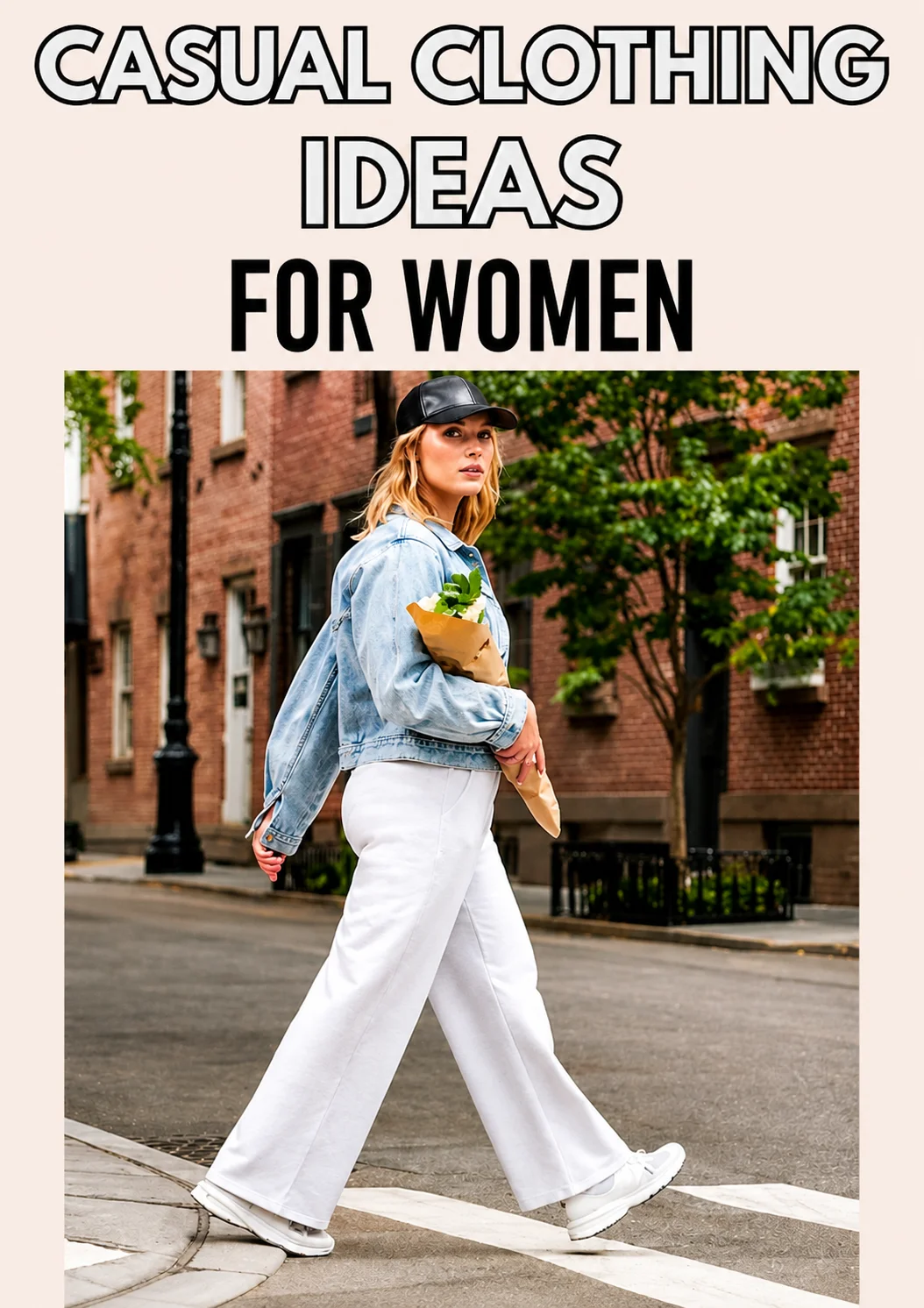
This is where most of us actually live. Jeans, t-shirts, hoodies, the occasional outfit that qualifies as “presentable enough to leave the house.” The problem here isn’t dressing badly. It’s dressing on autopilot.
Small trick that helps: next time you’re buying a basic tee, grab one with a different neckline or texture than your usual pick. That tiny variation keeps an everyday wardrobe from going stale without needing a full closet overhaul.
Formal Occasions
This is where comfort gets abandoned most often, and it’s a mistake every single time. Nobody enjoys a wedding reception in shoes eating their heels alive by hour two.
A few rules worth following here: fabrics with a little stretch even in structured pieces like suits or gowns, shoes broken in days ahead of time rather than that same morning, one statement piece instead of five. Piling on accessories usually reads as trying too hard, not as intentional style.
Athletic Wear and Loungewear
This category grew fast over the past several years, for good reason. People stopped accepting that comfort and style were mutually exclusive just because they were working out or relaxing at home. Moisture-wicking fabric, four-way stretch, breathable mesh — loungewear actually performs now instead of just being soft cotton that turns damp and heavy by the second hour.
Comfort Isn’t Just Soft Fabric
Fit matters. Breathability matters. Seam placement matters way more than people realize, usually right around hour eight when a seam’s digging into a shoulder blade. A tailored blazer that makes you stand up straighter counts as comfort too, even when the fabric itself isn’t particularly soft.
Before buying anything now, I run through a short mental list. Can I lift my arms overhead without the seams screaming? Will I sweat through this by lunch? Do I actually like this, or does it just look good under store lighting? Would this survive a wash, or is it one spin cycle away from falling apart?
That last question trips people up constantly with online shopping. A shirt can photograph beautifully and still feel like burlap against skin. Reviews tend to catch this far more reliably than any product description ever will.
Dressing for the Weather (Comfort Depends on This More Than People Admit)
Summer and winter dressing get treated like two totally different skill sets, but the logic underneath’s the same both times: work with your environment, not against it.
In hot weather, natural fibers do most of the heavy lifting. Linen and lightweight cotton breathe in a way synthetic blends just can’t match, no matter what the tag promises. Loose doesn’t have to mean shapeless either — a relaxed linen shirt still looks intentional if the cut’s right. Darker colors absorb more heat too, so if you’re outside for long stretches, lighter shades aren’t just a style choice, they’re a practical one.
Cold weather is where layering actually earns its reputation. The mistake most people make is reaching for one heavy coat instead of two or three thinner layers. A base layer that wicks moisture, a mid layer for insulation, and an outer shell that blocks wind will keep you warmer than a single bulky jacket, and it gives you more flexibility when you step into a heated room and need to shed something fast.
Rain deserves a mention too, mostly because so many people ignore it until they’re already soaked through. A decent water-resistant jacket and shoes that can survive a puddle are worth the investment if you live somewhere that gets regular rain. Nobody looks particularly polished squelching into a meeting in wet socks.
Building a Wardrobe That Works for You, Specifically
Trends move fast, then disappear just as fast. What sticks around is a wardrobe built around your actual life — your climate, your job, your body, your routine. Capsule wardrobes, a smaller set of pieces that mix and match easily, got popular for good reason. Less decision fatigue most mornings, and usually less money spent overall too, since you stop buying pieces that only pair with one specific outfit buried in the back of a closet.
A rough starting point looks something like this:
- Three to five versatile tops in neutral tones
- Two pairs of trousers or jeans that actually fit
- One or two jackets that layer well
- A couple statement pieces for personality
- Shoes covering casual, semi-formal, and formal bases
Everything past that becomes an addition, not a replacement.
Budget matters here too, obviously. You don’t need to buy the whole list at once, and you definitely don’t need every piece from a high-end label. A smarter approach is spending more on what gets worn constantly, like everyday shoes or a go-to pair of jeans, and spending less on what gets worn occasionally. A statement blazer you’ll wear four times a year doesn’t need to be the most expensive thing in the closet.
Should You Even Follow Fashion Trends?
Depends entirely on the trend.
Some are genuinely worth adopting. The push toward breathable, more sustainable fabric, for instance, or the growth of gender-neutral clothing lines that just widen everyone’s options. Other trends are pure noise. Remember those uncomfortable pointed-toe flats everyone bought a few years back because influencers wouldn’t stop pushing them? A lot of people I know wore theirs twice and never touched them again.
My rule: adopt a trend only if it fits your existing style and your comfort standards. Checks both boxes? Go for it. Only checks the “looks good on camera” box? Skip it.
A Few Common Mistakes Worth Avoiding
A handful of habits quietly undercut good style more than people realize.
Buying a size down “for motivation” is one of the most common. Clothes that don’t fit now don’t help later. They just sit in a bag at the back of a closet, tags still on, six months from now.
Ironing habits matter more than people think, too. A wrinkled shirt can undo an otherwise sharp outfit in seconds, and a lot of “expensive looking” clothing is really just regular clothing that’s been pressed properly.
Ignoring proportions is another one. Baggy on baggy, or fitted on fitted, tends to look off no matter how nice each individual piece is. Balancing something loose with something structured usually reads better than matching extremes.
And overspending on trend pieces while neglecting basics. A closet full of statement pieces and zero solid t-shirts or well-fitting jeans falls apart fast, functionally speaking, no matter how good it looks hanging up.
A Quick Word on Sustainable Fashion
Hard to talk about clothing today without mentioning where it actually comes from. Fast fashion built a whole industry on cheap, disposable pieces, and the environmental cost of that model’s gotten harder to ignore with each passing year.
You don’t need to overhaul a closet overnight. Small changes compound over time:
- Fewer, better pieces instead of a dozen cheap ones
- Repairing small stuff, buttons and hems, instead of tossing it
- Buying secondhand for anything you’ll only wear occasionally
- Choosing brands that are actually upfront about how they manufacture things
Shifting even a fifth of your buying habits this direction adds up more than most people expect.
A Real Scenario: Packing for a Trip That Covers Everything
A friend of mine, Sara, had to pack for a five-day work trip a couple years back. Two client meetings, one company dinner, a half-day hike with coworkers, and hotel downtime scattered in between. She nearly packed two full suitcases before catching herself and actually planning outfits instead of just throwing in favorites at random.
Here’s what she landed on. One tailored blazer that worked over three different tops for the meetings. A single pair of dark trousers that carried from daytime straight into dinner without looking off. Athletic wear doing double duty as hotel loungewear on the hike day. One dress that didn’t wrinkle in a suitcase, kept as backup for the dinner.
Everything fit into a carry-on, in the end. The real win wasn’t packing light for its own sake. It was that thinking through comfort and occasion together, up front, saved her from re-deciding her outfit every single morning of that trip.
Things Worth Remembering
- Fit beats brand name or price tag, pretty much always
- Comfort and style aren’t opposites — the best outfits manage both at once
- Build a base wardrobe first, then layer trends on top of it later
- Fabric quality affects how something feels and how long it actually lasts
- Different occasions call for different energy, so don’t dress a hike like a wedding
Last Thought
Clothing isn’t just fabric stitched together. It’s part of a daily routine that shapes how confident you feel and how much energy gets wasted second-guessing yourself before eight in the morning. You don’t need a huge budget or a walk-in closet to dress well. Pieces that fit. Fabric that actually feels decent against skin. A little intention behind what you buy and why. That’s most of it, honestly.
Next time you’re standing in front of your closet, half-asleep, ask one question: does this actually work for where I’m going today? Small habit. Does more for a wardrobe, long term, than any trend ever will.