


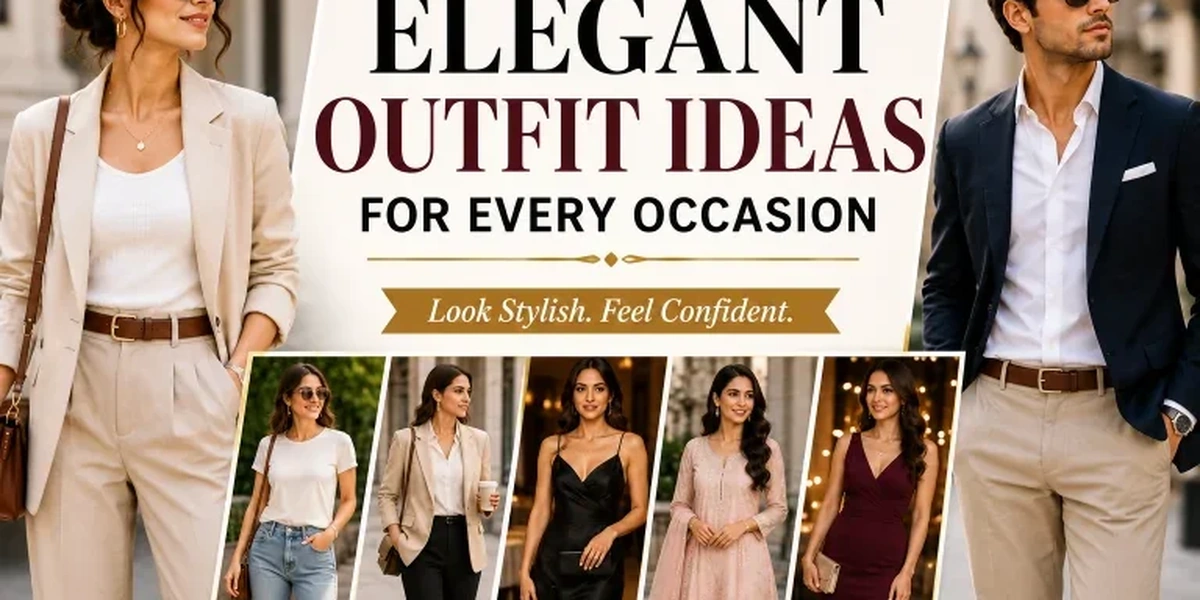
I’ve got a blazer I’ve had for six years now and just can’t seem to let go of, even though I’ve probably worn the thing four times since 2022. Bought it at a Zara outlet — fit great under those dressing room lights, obviously — and then bunches weird at the shoulders every single time I put it on anywhere else. Pretty sure every closet has one of these. Something that looked perfect for ninety seconds and never quite worked again after that. I’ve thought about donating it more than once. Something always stops me though. Maybe it’s the idea that it’ll fit right again someday. Probably won’t.
Clothing’s weird that way. It’s the one thing we touch every hour of every day, and most of us still buy it half-blind — on impulse, hoping the mirror wasn’t lying to us.
Comfort and Style Were Never Actually Opposites
People treat this like some kind of trade-off. Either you look sharp and suffer for it, or you’re comfortable and look like you just rolled out of bed. I’ve never really bought that framing. Honestly, the best-dressed people I know figured out years ago that comfort is the style — not some separate thing fighting against it. Try carrying yourself with any real confidence in something cutting off circulation to your legs. Doesn’t work. Your face gives it away within ten minutes, tops. I wore dress pants a size too small to a presentation once. Told myself it wouldn’t matter. Spent twenty minutes half-thinking about the waistband instead of what I was actually saying. Nobody in that room probably noticed. I noticed.
And clothing does more than one job, which people forget constantly. It protects you — from weather, scraped knees, whatever the day throws at you. It signals identity whether you’re trying to or not. Comfort, somehow, always ends up ranked dead last. Shouldn’t be, if you ask me.
What You Actually Wear, Occasion by Occasion
A wedding isn’t a job interview. A job interview isn’t a hike up a hill with your coworkers. Feels obvious once you say it out loud, but plenty of people just default to the same three outfits for everything, because building a flexible wardrobe sounds like way more effort than it’s worth.
Office dressing has loosened up a lot, for what it’s worth. Blazer with sneakers now. Structured trousers with a soft knit top from Uniqlo. That old “suit or nothing” rule mostly survives in law firms and banks these days, not much else. Fit beats price tag every single time here — a $40 shirt tailored to actually fit your body beats a $300 one hanging wrong on your frame, no contest, not even close. I worked with a guy once, genuinely sharp at his job, who rotated through the same three stiff button-downs, slightly yellowed at the collar by Thursday. Nobody said anything out loud about it, not once. It still shaped how people talked about him when he wasn’t in the room — which isn’t fair, exactly, but that’s just how offices work sometimes. Clothing’s often the first piece of information people process about you, before you’ve even said a word.
None of this means dressing expensively, to be clear. Some of the sharpest-dressed people I’ve worked with clearly shopped mid-range — Uniqlo, Marks & Spencer, an occasional H&M piece thrown in — they just paid attention to fit and kept things pressed. The gap between someone who looks put together and someone who doesn’t is rarely about budget. It’s usually just about whether they tried.
Casual wear is where most of us actually live, day to day. Jeans, t-shirts, hoodies, the occasional outfit that qualifies as “presentable enough to leave the house.” The trap here isn’t dressing badly — it’s dressing on autopilot. Grab a tee with a different neckline than your usual pick, next time you’re shopping. Small change, but it keeps a wardrobe from going stale.
Formal wear is where comfort gets abandoned the most, and honestly, it’s always a mistake. Nobody’s enjoying a wedding reception in shoes eating their heels alive by hour two. Fabrics with a little stretch even in structured pieces, shoes broken in days ahead instead of that same morning, one statement piece instead of five — that’s the move. Athletic wear and loungewear, meanwhile, actually got good over the last several years. Moisture-wicking fabric, four-way stretch, the whole Lululemon-adjacent thing. None of it’s just soft cotton that turns damp and heavy anymore — though the cheap knockoff version of that fabric still is, so worth checking which one you’re actually buying before you swipe your card.
Shoes Are Where Most People Cut Corners
Everything else about an outfit can be right, and shoes will still wreck it. Or save it, honestly. A worn-down pair of white sneakers with visible yellowing at the toe undoes an otherwise sharp outfit faster than almost anything else out there. People notice shoes more than they’d ever admit, even if they couldn’t tell you exactly why an outfit felt “off.”
The old advice about owning one great pair of everything — one good pair of black dress shoes, one solid pair of white sneakers, one durable pair of boots for bad weather — still holds up better than most trend-driven shoe advice you’ll find. Quality matters more here than almost any other category, because shoes take the most physical punishment out of anything in a wardrobe, full stop. A $150 pair of leather shoes, resoled once, will usually outlast three cheaper pairs bought back to back. And they’ll look better doing it.
Breaking shoes in before an event isn’t optional either. New leather shoes worn for the first time at a wedding or an interview is basically a recipe for blisters and a visible limp by the reception. Wear them around the house for a few evenings first. Walk to the mailbox in them. Anything that gets the leather moving before it has to perform in public. Sneakers deserve some rotation too, if you’re wearing them daily — giving a pair a day to air out, letting the foam decompress a bit, actually extends their life more than most people assume.
The Weather Thing Nobody Plans For
Hot weather rewards natural fibers. Linen and lightweight cotton breathe in a way synthetic blends just can’t fake, whatever the tag tells you. Loose doesn’t mean shapeless either — a relaxed linen shirt still looks intentional if the cut’s right. Darker colors absorb more heat, so if you’re outside for long stretches, lighter shades end up being a practical choice as much as a stylistic one.
Cold weather is where layering earns its whole reputation. Most people reach for one heavy coat instead of two or three thinner layers, which is backward, honestly. A base layer that wicks moisture, a mid layer for insulation (Uniqlo’s Heattech line does this cheap and does it well), an outer shell that blocks wind. That combination keeps you warmer than one bulky jacket and gives you flexibility the second you step somewhere heated. Scarves and gloves get treated as an afterthought too — thrown on at the door if at all — when they’re actually doing a lot of the practical work. A good chunk of your body heat escapes through your extremities and a bare neck, so a decent scarf can make more difference than an extra sweater ever will.
Rain gets ignored until people are already soaked through it, every time. A decent water-resistant jacket and shoes that survive a puddle are worth owning if you live somewhere it rains often. Nobody looks particularly polished squelching into a meeting in wet socks.
Building an Actual Wardrobe
Trends move fast, then vanish. What sticks is a wardrobe built around your actual life — climate, job, body, routine — not whatever’s trending on somebody’s feed this month. My own rotation is smaller than I’d like to admit, once I actually sit down and count it: four button-downs, two pairs of decent jeans, one blazer (the problem one), a stack of plain t-shirts bought three at a time from wherever’s cheapest, and exactly one pair of shoes I’d call genuinely nice. That’s most of what gets worn, on repeat, for months at a time.
The capsule wardrobe idea gets oversold as some kind of minimalist lifestyle statement, if you ask me. It’s really just admitting that most of what’s hanging in a closet never gets touched, and building around the twenty percent that actually does. Spend more on what gets worn constantly — everyday shoes, a go-to pair of jeans. Spend less on whatever gets worn four times a year. A statement blazer for the odd wedding season doesn’t need to be the most expensive thing you own.
Trends, Mistakes, and Knowing the Difference
Some trends are genuinely worth adopting — breathable sustainable fabric, gender-neutral clothing lines that just widen everyone’s options. Others are pure noise. Remember those pointed-toe flats a few years back that every influencer pushed at once? A lot of people I know wore theirs twice and never touched them again. My rule: adopt a trend only if it fits your existing style and your comfort standards. Checks both boxes — go for it. Only checks the “looks good on camera” box? Skip it, no regrets.
A few habits quietly undercut good style more than people realize, too. Buying a size down “for motivation” is the one I see constantly. A friend of mine still has three pairs of jeans sitting in a drawer from a diet that lasted about six weeks back in early 2023, tags still on them. Clothes that don’t fit now don’t help you later — they just take up space and make you feel a little worse every time you open that drawer.
Ironing gets skipped more than it should, mostly because it feels like a chore from another era. But a wrinkled shirt undoes a sharp outfit in about two seconds flat, and a lot of “expensive looking” clothing is really just regular clothing that somebody bothered to press before putting it on. Proportions trip people up too — baggy piled on baggy, or everything fitted at once — rarely looks as good as one loose piece balanced against one structured one. And running delicates through the same hot wash as heavy denim is a quieter way clothes wear out faster than they should.
A Word on Where Clothes Come From
Hard to talk about clothing today without bringing this up. Fast fashion built a whole industry on cheap, disposable pieces, and the environmental cost of that model has gotten harder to ignore with each passing year. You don’t need to overhaul a closet overnight, though. Fewer, better pieces instead of a dozen cheap ones. Repairing the small stuff — buttons, hems — instead of tossing it. Buying secondhand for anything you’ll only wear occasionally. Even shifting a fifth of your buying habits this direction adds up more than most people expect.
I started buying most of my basic tees secondhand a couple years back, mostly from a consignment shop near where I used to live, and the honest surprise wasn’t the price. It was the quality. A lot of secondhand pieces from a decade or two ago were simply made better than what fast fashion turns out today — heavier cotton, actual stitching instead of glued seams. Not every secondhand find is a win, plenty of it’s worn out for a reason, but the good pieces really are good.
A Trip That Covered Everything
A friend of mine, Reema, had to pack for a five-day work trip a couple years back. Two client meetings, a company dinner, a half-day hike with coworkers, hotel downtime scattered in between. She nearly packed two full suitcases before catching herself and actually sitting down to plan outfits instead of just grabbing favorites at random.
What she landed on: one tailored blazer that worked over three different tops for the meetings. A single pair of dark trousers that carried from daytime into dinner without looking off. Athletic wear doing double duty as hotel loungewear on the hike day. One dress, bought last-minute off a Massimo Dutti sale rack, chosen mainly because it didn’t wrinkle in a suitcase.
She almost left the dress behind, twice, while packing — wasn’t sure she’d even need it. Glad in the end that she didn’t.
Everything fit into a carry-on. The Airbnb didn’t even have an iron, so that last detail mattered more than she expected going in. The real win wasn’t packing light for its own sake — it was that thinking through comfort and occasion together, up front, saved her from re-deciding an outfit every single morning of that trip.
Last Thought
Clothing isn’t just fabric stitched together. It’s part of a daily routine that shapes how confident you feel and how much energy gets wasted second-guessing yourself before eight in the morning. You don’t need a huge budget or a walk-in closet to dress well. Pieces that fit. Fabric that actually feels decent against your skin. A little intention behind what you buy and why you’re buying it.
That blazer from the outlet’s still hanging in my closet, by the way. I keep meaning to get the shoulders altered. Maybe this is the year.



hi