


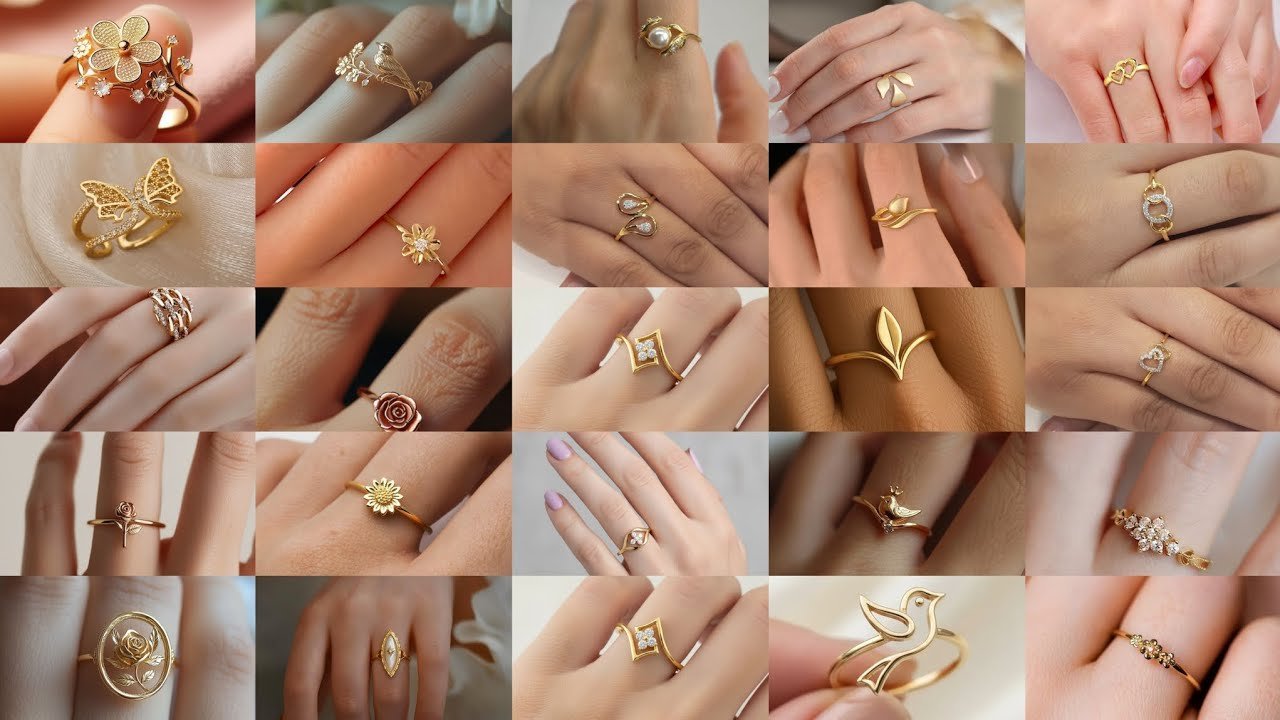
Okay so. I bought a rose gold necklace once. Wore it exactly twice. Both times I looked in the mirror and thought — why does this look kind of wrong on me? My sister saw it and just said “that looks weird on you, it looks great on me though.” Rude. But also, she was right, and that annoyed me enough to actually figure out why.
Turns out it’s not random. There’s a whole logic behind why certain gold tones just click with certain people and others… don’t. Let me walk you through what I learned, because honestly nobody told me any of this before I wasted money finding out the hard way.
Table of Contents
ToggleIt’s Not About Being “Light” or “Dark” Skinned
This is the part everyone gets wrong first. People think it’s about fair vs deep skin. It’s not, really. It’s about undertone — which sits underneath your actual skin color and stays the same whether you’re tan or pale that season.
Three types, roughly:
- Warm — golden, peachy, yellow-ish hints
- Cool — pink, red, or slightly blue hints
- Neutral — bit of both, annoyingly hard to pin down
Quick test, and this actually works: check your wrist veins in daylight. Greenish = warm. Blue or purple = cool. Can’t tell at all? You’re probably neutral, which honestly is the jackpot because neutral undertones can wear almost anything without a fight.
So Which Gold Goes With What
Warm undertones
yellow gold is your best friend here, no contest. Deeper shades especially, like 22k, where the gold content is higher and the color is richer. Rose gold can work too but stick to the deeper, coppery rose tones. The pale pink ones tend to wash warm skin out a bit, make it look almost grey.
Cool undertones
white gold, platinum, silver tones. There’s a crispness there, a contrast, that just looks right. Doesn’t mean yellow gold is banned though — a soft buttery yellow gold with white stones or diamonds can actually balance a cool undertone nicely. It’s the heavy saturated yellows that clash.
Neutral undertones
yeah you can basically wear whatever. Which sounds great until you’re standing in a jewelry store paralyzed by too many options. Not even joking, this happened to me at a wedding shop once, took me forty minutes to pick earrings.
My Cousin’s Whole Glow-Up Moment
My cousin Reema has warm, golden skin — tans in like a day, never goes pink. For years, YEARS, she wore white gold because it was trendy at the time. Every single photo, something looked slightly off. Not bad exactly, just… flat. Like the jewelry wasn’t really hers.
Then for her engagement last year she went with deep yellow gold, kind of on a whim honestly. And the difference in photos was actually shocking. Same face, same lighting, completely different energy. I sent her the comparison photos and she didn’t even reply, just sent back a laughing emoji and “why didn’t anyone tell me this ten years ago.”
Undertone vs Skin Tone — Not the Same Thing
Quick clarification because this trips people up constantly. Skin tone is how light or deep your skin is. Skin undertone is the hue underneath it. You can absolutely have deep skin with a cool undertone, or fair skin that’s warm. They’re different axes entirely, not the same measurement.
That said skin tone does play a small role:
- Deeper tones tend to make yellow gold look extra rich, almost glowing
- Fair skin can sometimes get overwhelmed by really chunky, heavy yellow gold — thinner chains or mixed metal pieces tend to work better
- Medium tones are pretty flexible, honestly, bold or delicate both tend to work
None of this is a strict rule by the way. More of a general tendency than an actual law.
Can You Mix Metals? (Yes, Obviously)
The whole “never mix gold tones” rule — I don’t know who started that but it’s outdated. Nobody’s grandmother enforces this anymore, or if yours does, that’s a separate conversation. Mixed metal jewelry, white and yellow gold together, or a stack of bracelets in different tones, is genuinely one of the more popular looks right now. And it works. It looks deliberate, not like a mistake.
If you’re nervous about trying it, start small — a watch or bracelet that already combines both tones. Somebody already did the balancing for you, so there’s less guessing involved.
Things I Wish I Knew Before Buying
A few practical bits, no particular order:
- Try it in daylight. Store lighting is basically designed to flatter everything — it’s lying to you, gently.
- Hold it against bare skin, not over a sleeve. Sounds obvious. People forget constantly.
- Take a photo. Sometimes a camera catches a clash your eyes just don’t register in the moment.
- Don’t blindly follow trends. Rose gold had its whole era a few years back and plenty of people bought it who really shouldn’t have, just because everyone else was.
- Ask a friend who does makeup or colors their own hair. They usually spot undertone stuff faster than most jewelers do, weirdly enough.
Karat Actually Changes the Color Too
Higher karat gold — 22k, 24k — has a deeper, warmer yellow because there’s more actual gold and less alloy mixed in. Lower karat, like 14k or 10k, is paler, more muted, because of what’s added in.
So if you’re warm-toned and love yellow gold but something still feels a bit off, it might not be the color family at all. Might just be the karat. Bumping it up a few karats sometimes fixes the whole thing.
Anyway
I still have that rose gold necklace. Don’t really wear it. Keep it around mostly as a reminder that jewelry shopping isn’t about what looked good on someone else in a store window — it’s about what actually works with your own skin. Sounds a bit much for a necklace to represent, I know. But it’s true.
Once you know your undertone, shopping gets a lot less like guesswork and a lot more like actually knowing what you’re doing. And when you get it wrong anyway — because you will, sometimes — that’s fine too. Even people who’ve bought jewelry for decades still mess it up occasionally. It’s part of the process.